

Do you feel like your money disappears without any major purchases? As the saying goes, small expenses can have a big impact. The average American unknowingly spends over $1,500 a year on small luxuries.
Every day, small purchases often drain your finances more than you realize. Here are examples of these expenses and ways to better manage them.
Affiliate Disclosure: As an Amazon Associate, I earn from qualifying purchases. This helps support my work and allows me to continue creating helpful content — thank you for your support!
1. Coffee Shop Runs
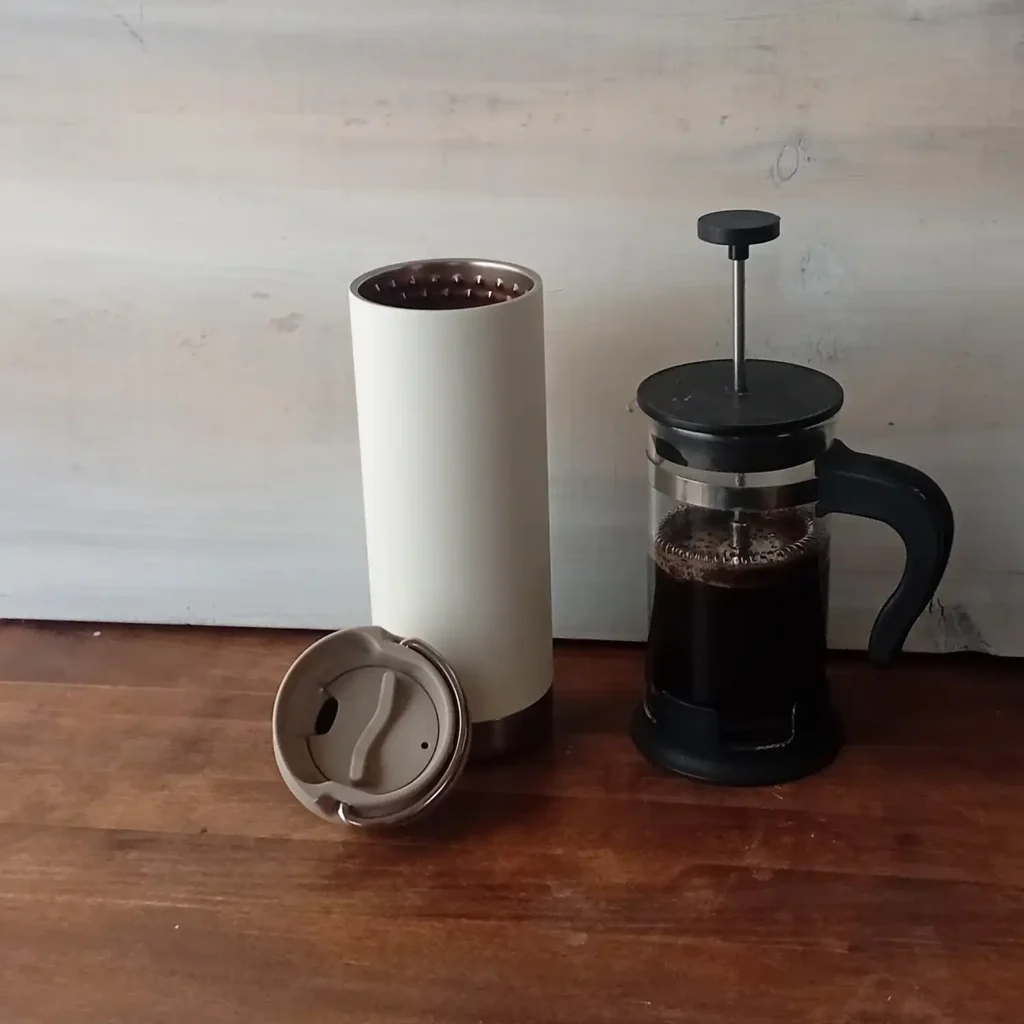
Daily lattes might not seem expensive, but one every workday could cost you hundreds, if not thousands, a year. Instead of skipping coffee entirely, consider investing in a good coffee maker for smarter spending. Look for a leak-proof thermos to keep your drink hot for hours. While some lids can be tricky to clean, the convenience of making coffee at home is usually worth it.
2. Bottled Water
Buying bottled water is bad for the environment and your budget. What’s more, the quality of the water in purchased bottled water is often not much better than tap water. Certainly depends on where you live; that’s why we recommend using a filter to remove any trace amounts of heavy metals, such as lead. A reusable water bottle can make all the difference while keeping you hydrated. It’s better for your budget, the environment, and your health, especially when combined with using pre-filtered water. We love using this water jug with a water filter in it. After watching many videos on YouTube that took water tests and sent them to a lab, these are truly the best.
3. Subscriptions You Forgot About
It’s easy to sign up for an online service trial, just to forget about it the following week. Subscriptions can be amazing and provide a ton of value if you actually use them and only get what you need. Once every 2-3 months, review your credit card statements to identify any forgotten subscriptions that no longer suit your needs or lifestyle.
4. Takeout and Food Delivery
Convenience comes at a price, and not only money-wise. Take-out food is, more often than not, way less healthy than cooking at home. A friend of mine who worked at a restaurant once said, “If you want to make it taste better, add more salt and butter.” Now, extra sodium and fat aren’t great for your health, and it’s perfectly possible to make amazing, tasty, healthy, and inexpensive meals at home that are easy to make and don’t take the entire evening.
5. Branded Cleaning Products
Many generic cleaning products work just as well as name-brand products. Go for the generic brands instead, and if you’re feeling adventurous, why not give making your own cleaning products a try? You’ll be surprised how easy and cheap it can be. For those with chemical sensitivities, it’s often the only option. We’ve dabbled with making our own cleaning products and have occasionally ruined surfaces. Make sure you do some research first!
6. Snacks from Convenience Stores
Those chocolate bars right at the checkout sound so good when you’re tired and hungry after the weekly grocery haul. They can quickly add up, and what’s more, they aren’t even good for you (usually).
Buy snacks in bulk in advance, and have a designated snack container for the car that you regularly refill.
Recently, we’ve tried making our own granola bars, and it was surprisingly easy and tasted way better compared to store-bought bars, without the unhealthy ingredients.
7. In-App Purchases
Micro transactions, whether you upgrade to premium app versions or buy extra game features, can also affect your finances. Setting strict app budgets and reviewing charges helps balance finances without cutting off entertainment. Some of them may be app upgrades you thought were a one-time fee, until you realize you’re being charged monthly for them.
8. Unhealthy Habits
Let’s face it, certain habits (you know what I’m talking about) can be very unhealthy and super expensive. If you are still smoking or drinking excessively, this may be one of the top budget busters to tackle.
9. Luxury Personal Care Products
Luxury soaps, masks, and skin care products often have cheaper alternatives that work just as well. A report by Dermatology Times shows that pharmacy skincare products can be as effective as high-end brands. Minimalist skincare routines using affordable basics often work as effectively as luxury lines. It is easier than you might think to make skincare products at home, and often using natural ingredients without preservatives is better for your skin anyway.
10. Fast Fashion
While buying something new can give instant gratification and, for some of us, be a way to relax and unwind, most fast fashion is disposable and low-quality. Instead, choose high-quality items that resist fashion trends, are made from natural fibers, and are neutral colours, so you can get the most wear out of them.
Premium Streaming Services
Some of us have way too many streaming subscriptions that often go unused. The Verge reported that the average household subscribes to at least four streaming services, spending over $70 a year. Rotating your streaming services instead of keeping them all the time can help save hundreds.
You’ve got this!


 English
  Français
  Български
  简体中文
简体中文  Deutsch
  العربية
  Русский
  Español