

Planning is king. Reverse meal planning is about taking note of what you already have at hand.
That one shift can cut grocery bills, reduce waste, and make dinner feel less chaotic. Instead of picking recipes first and buying everything you need, start by checking what you already own and build meals from there.
It sounds simple because it is, and that simplicity is what makes it work.
What is reverse meal planning?
Reverse meal planning starts with looking at what you already have in your pantry, fridge, and freezer. After taking stock, you plan your meals accordingly and buy only the few items that fill the gaps.
Traditional planning flips that order. You choose recipes, write a long list, and shop for everything. That can work, but it also leads to duplicate ingredients, impulse buys, and a fridge full of food with no clear plan.
This method works for families, couples, and solo cooks because the idea is flexible. You aren’t chasing perfect recipes. You’re making good use of what you already paid for.
{RELATED POST: ✓12 Saving Money Grocery Shopping Tips}
How reverse meal planning is different from a regular meal plan
A regular meal plan often begins with inspiration. Maybe you save a recipe that looks appetizing. After that, you shop for every ingredient.
Reverse meal planning begins with a kitchen check. Opening the fridge, you spot pasta, tomatoes, chicken, carrots, broth, and yogurt. With these ingredients in mind, you build meals around them.
In other words, one method is to shop for a plan. The other makes a plan from what’s already there.
It’s really not a brain breaker. Sensible people do this all the time.
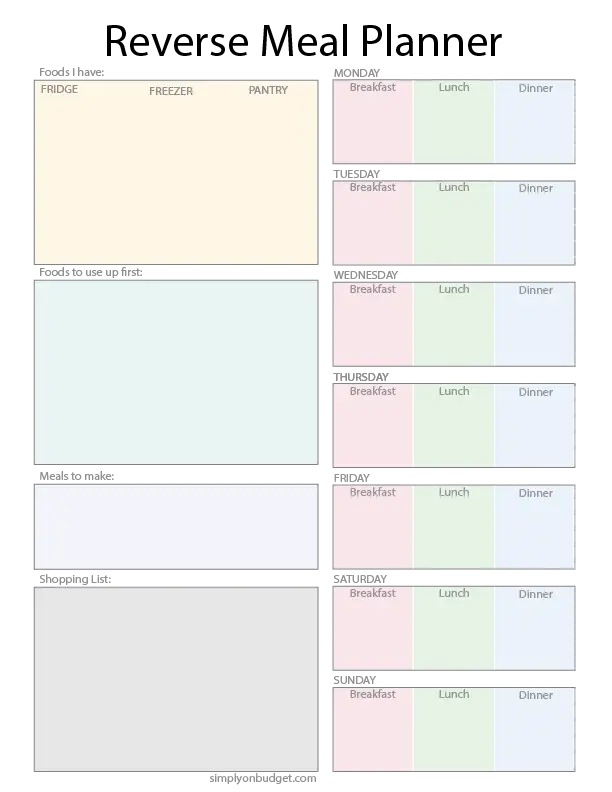
Download the free pdf – Reverse meal planning template here
Where the savings come from each week
The savings don’t come from one big trick. They come from small choices that add up fast.
Here is where most people spend less:
| Fewer extra store trips | You avoid high-priced last-minute items |
| Less spoiled food | You use perishables before they go bad |
| Better leftovers use | Small portions turn into another meal |
| Smarter staple use | Rice, pasta, beans, and oats stretch pricier foods |
| Fewer duplicates | You stop buying what you already own |
Take stock of what you already have.
Before you plan meals, do a quick home inventory.
Spot the foods that need to be used first.
Take note of any items that are getting past their best-before date. Any vegetables that are getting soft and need to be used up ASAP.
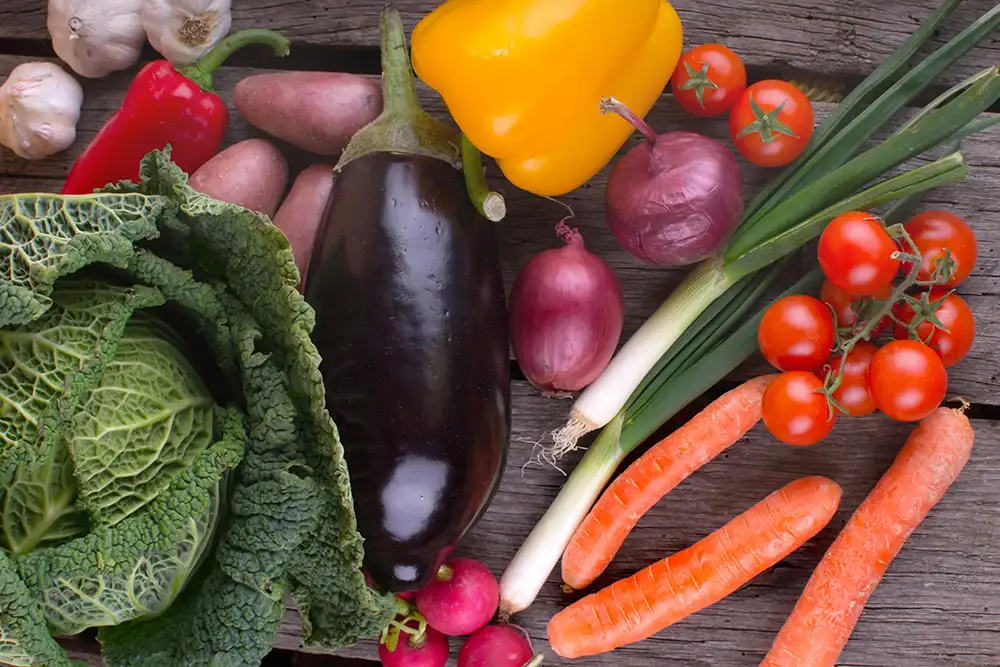
Build easy meals from the ingredients you find
Think about what you can make with the items you already have, and think about whether you are missing an important ingredient. Add that to your grocery shopping list. That saves time, lowers stress, and helps you use food before it goes bad.
Use simple meal formulas instead of exact recipes.
Most weeknight meals need only four parts: a protein, a starch, vegetables, and a sauce or seasoning. Once you see that pattern, your options open up fast.
Chicken, rice, frozen broccoli, and soy sauce can become a bowl. Ground beef, tortillas, lettuce, and cheese can be used to make tacos. Pasta, canned tomatoes, spinach, and beans can become an easy dinner with little extra cost.
These meal types are especially useful for reverse meal planning:
- Bowls: Rice or grains topped with protein, vegetables, and sauce
- Soups: Broth, vegetables, beans, pasta, or cooked meat
- Stir-fries: Great for mixed vegetables and leftover rice
- Pasta dishes: Easy for small amounts of produce or protein
- Wraps and tacos: Perfect for leftovers and odds and ends
- Sheet-pan dinners: Good for roasting meat and vegetables at once

You don’t need ten perfect ingredients. You need a structure.
Turn leftovers and small amounts into a full meal.
This is where reverse meal planning saves the most money. Small amounts often get ignored because they don’t look like enough for dinner. But combined, they can stretch further than you think.
Slowcookers are your friend.
If you have small amounts of leftover foods, say leftover chicken, a couple of vegetables, half a pack of pasta, a couple of potatoes, and a sausage, you can pretty much turn this into a couple of days’ worth of meals by chopping the ingredients and putting them in a slow cooker. With a bit of spices and salt, you’ll be surprised at the outcome.
My best-kept secret
Did you know there are websites you can put in the ingredients of what you have, and it’ll give you recipes, including what you are missing? Here are what has worked for us:
My Fridge Food – https://www.myfridgefood.com/– You can put a check in the boxes of what you have, and it’ll give you recipes of what you can make, and also the items you are missing for the particular recipe.
Super Cook – https://www.supercook.com/– is very similar to My Fridge Food
Recipe Radar – https://www.reciperadar.com/– another very good one, although the recipe suggestions don’t have pictures, once you select the recipe and click on the link, you can see pictures of the recipe.
Plan your meals
Now that you have a list of what you already have at home and the missing ingredients suggested on your recipe website, make your shopping list.
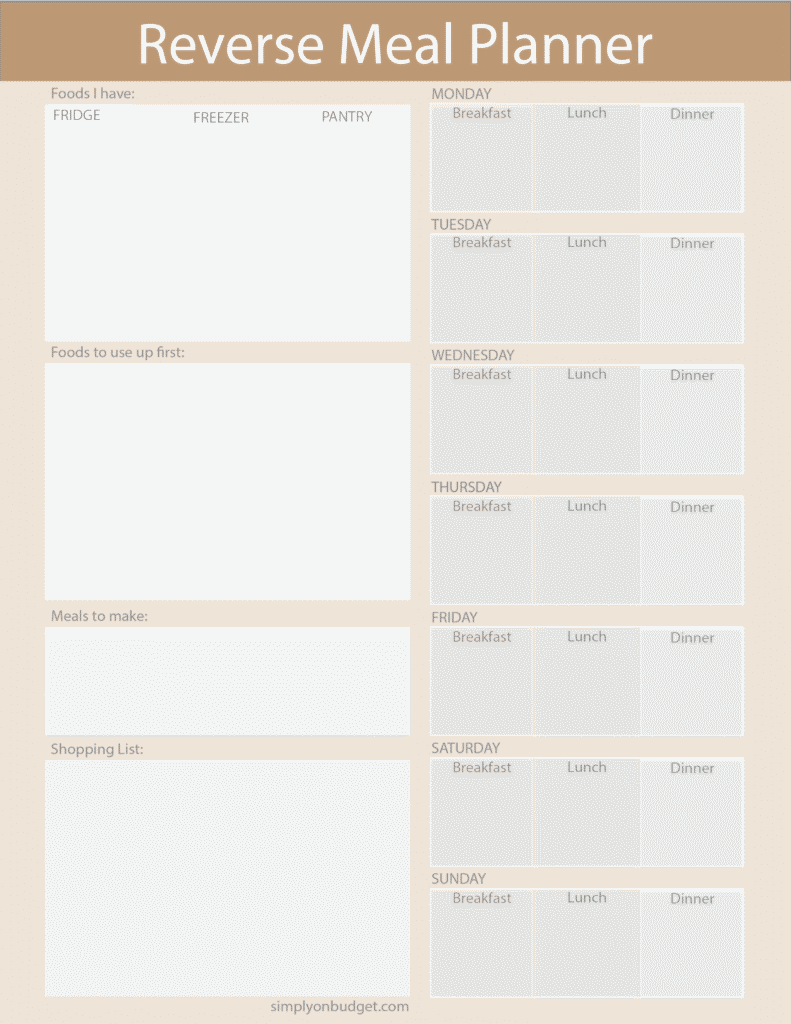
Make your shopping list.
Never go grocery shopping without a list.
Choose low-cost add-ons that make more meals possible.
A few basics can unlock several dinners. Eggs can cover breakfast, fried rice, and a quick frittata. Rice is a staple in many Asian countries; you can use it instead of potatoes or pasta, and it can be stored for a very long time.
Other useful gap-fillers include onions, carrots, bread, milk, yogurt, and a low-cost fruit. These aren’t exciting purchases, but they give shape to the food you already have. Actually, a better ingredient than bread is flour – with some basic baking skills, you can make your own bread, tortillas, muffins, and so many other foods.
Avoid the small shopping mistakes that raise your total.
A short list only works if you stick to it. Shopping without one makes it easy to buy duplicates or toss random items into the cart.
Bulk deals can also backfire. Saving per ounce doesn’t help if the food goes bad. We love bulk-buying staples like rice and flour, though.
The same goes for shopping while hungry, which makes snack aisles look far more urgent than they are.
Before you check out, pause for a minute. Ask whether each item supports a real meal this week. If it doesn’t, put it back.
Make reverse meal planning a weekly habit.
This method works best when it becomes routine.
A quick weekly routine you can use every time
Use this simple flow:
- Check the fridge first, then the freezer, then the pantry.
- Write down foods that need to be used soon.
- Pick three to five easy meals from those ingredients.
- Make a short list of low-cost gap-fillers.
- Cook the most perishable foods early in the week.
- Save leftovers on purpose for lunches or one more dinner.
That small routine can stop the cycle of overbuying and forgetting what’s in the back of the freezer.
Common problems and easy fixes
Sometimes you won’t have enough ingredients for full meals. When that happens, lean on go-to combos like eggs and toast, soup and sandwiches, or rice bowls.
Try reverse meal planning for one week before your next grocery trip. Start with a fridge and pantry check, then build from there. Share your experience with a friend or family member, and encourage them to join you. You may find that spending less feels easier than you expected. Ready to see the results? Start today and take control of your meals and budget.
{RELATED POST: ✓Frugal Living Tips from the Great Depression}
{RELATED POST: ✓12 Saving Money Grocery Shopping Tips}


