

Most of us have faced this scenario: opening the fridge to discover that those strawberries we bought with the best intentions are now covered in fuzz. Or maybe we toss out food we meant to eat, but simply forgot. These daily habits don’t just waste perfectly edible food—they’re also quietly draining our bank accounts.
On average, a Canadian household throws away about 140 kilograms of food that could have been eaten, which adds up to more than $1,300 gone each year. Just imagine if you could hold onto that extra money—maybe it becomes a larger emergency fund, a payment on a vacation, or a cushion against unexpected expenses.
Cutting food waste isn’t just an eco-friendly gesture. It’s a highly effective technique for anyone looking to make the most out of their budget. By making smarter choices throughout the food cycle—from shopping to storing to eating—you can dramatically reduce waste and save more for your future goals. Let’s walk through some proven ways to keep food (and your money) from ending up in the trash.
Affiliate Disclosure: As an Amazon Associate, I earn from qualifying purchases. This helps support my work and allows me to continue creating helpful content — thank you for your support!
1. Master the Art of Meal Planning
Going grocery shopping without an idea of what you need is like driving with no GPS—easy to get lost, hard to stick to your target. Meal planning gives structure to your shopping, dramatically curbing impulsive purchases and food waste.
You can also purposefully use meal planning to create a wonderful atmosphere during the long winter months.
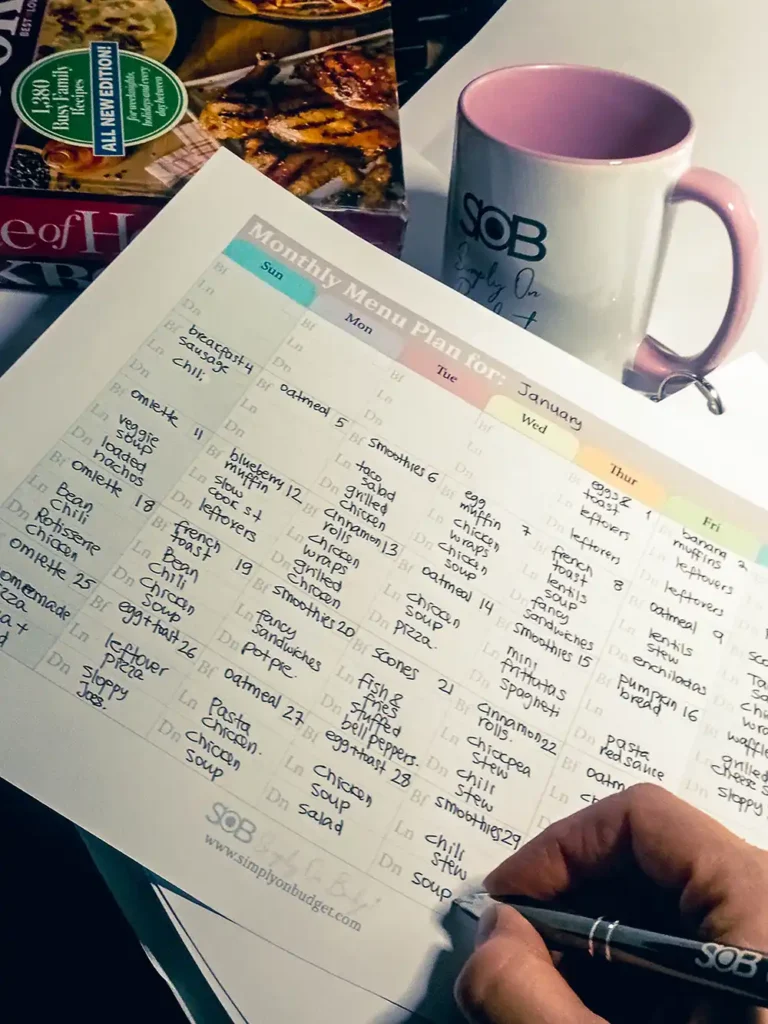
Begin by reviewing your week ahead. Which nights call for quick dinners? Which days do you have more time to cook? Check your current food supplies—look through all your kitchen storage spots. Use what you already have as a base for your meal ideas, which saves you from unnecessary buying and helps you use older items.
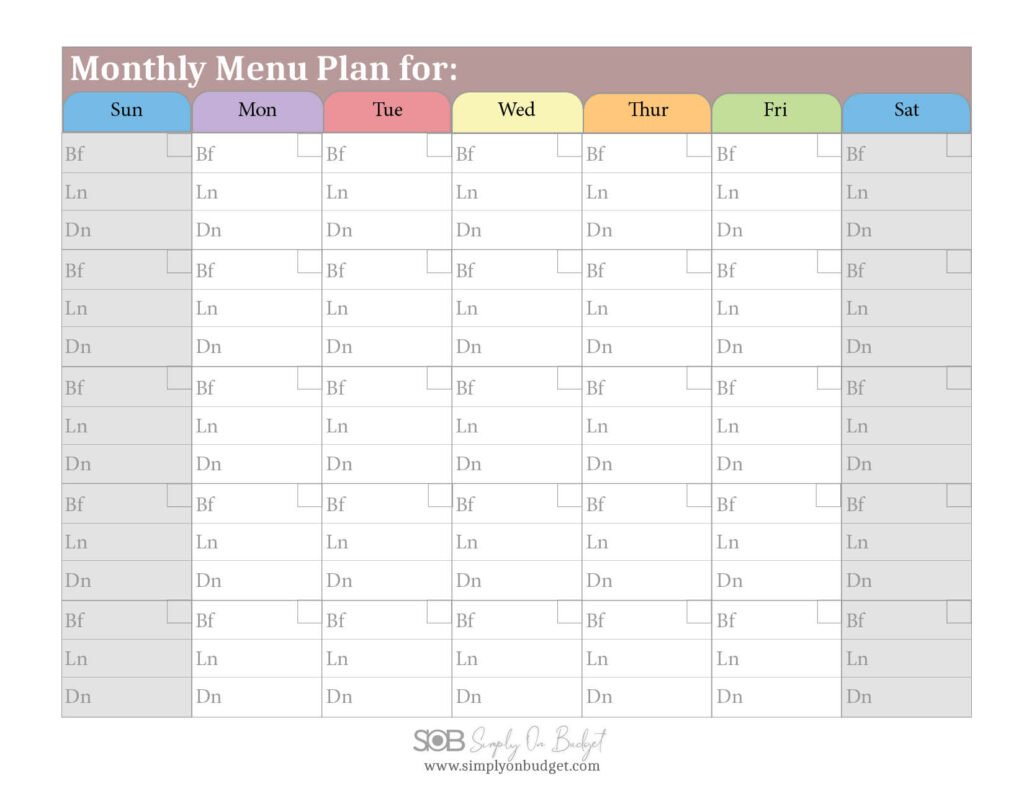
Draw up a menu for each meal you need—breakfast, lunch, dinner—and use this as the basis for your grocery list. Many budget-savvy folks swear by spreadsheets and digital lists to keep pantry inventories and meal plans organized. Not only will this save cash, but you’ll toss out far less at the end of the week. We have created this free Monthly Menu Planner Printable to help you out.
If you need help with learning to cook or figuring out menus, we really like the Taste of Home Cookbooks. They have taught me so much in terms of how to cook, and have helped me master numerous recipes, including our all favorite carrot cake which we often make for birthdays.
Once you have figured out the menu for the week, the next step is to add up all ingredients that are the same and total them, so at the end of this exercise, you’ll have a comprehensible list of ingredients to buy.
2. Shop Smart, Not Hungry
Shopping for food when you’re hungry often leads to grabbing items you don’t need—sometimes foods that won’t even fit into your meal plan and are likely to be wasted. Always have a snack before hitting the store to set yourself up for success. Check out our post 12 Saving Money Grocery Shopping Tips.
Here are some additional smart shopping tips:
- Pick Your Own Quantities: Only take what you need by buying individual pieces of produce instead of multi-packs. This lets you meet your actual needs without buying more than you’ll realistically use. If an item is on sale and it makes sense to buy in bulk, have a plan for preserving the rest if it is perishable.
- Decode Food Date Labels: “Best before” dates represent peak quality, while “use by” dates relate to safety—especially for animal products. Many foods can still be safely eaten past the “best before” date as long as they look, smell, and taste normal.
- Choose Flexible Ingredients: Consider stocking up on frozen fruits and vegetables. These last much longer than their fresh counterparts but offer nearly the same nutritional value. Frozen produce helps you only use what you need and store the rest safely, extending shelf life and reducing waste.
3. Upgrade Your Food Storage Habits
The way you organize and store food can make or break its shelf life. Good storage practices not only keep food fresh but help you see what you have so less goes unnoticed and uneaten.
- Practice “First In, First Out” (FIFO): Always move older food items to the front and newer ones to the back when you put away groceries. This habit encourages you to use up food before it spoils and is widely practiced by professional kitchens to minimize waste.
- Label with Dates: Use markers or stickers to date leftovers and groceries when you put them away. This simple step helps you spot which foods to eat first and can prevent a lot of guessing (and tossing).
- Designate a “Use First” Section: Create a dedicated area in your fridge or pantry for foods that need to be consumed soon. This simple trick provides a visual reminder to use them before grabbing newer items.
- Store in Clear Containers: Transparent bins or containers allow you to easily identify contents (and quantities) at a glance. They help prevent the dreaded discovery of forgotten leftovers in the back of the fridge.
- Use the Right Storage Zones: Know which fridge areas are best for storing certain categories. The coldest spot (usually a lower shelf) is ideal for meats, while dairy keeps best on the middle racks. Store fruits and veggies in separate crispers with appropriate humidity to help each last longer.
- Store Herbs Like Fresh Flowers: Treat herbs such as cilantro and parsley by trimming their stems and placing them upright in a glass of water. Loosely cover them with a bag and change the water every few days—this method keeps them fresh much longer.
- Freeze Wisely: When in doubt, freeze. Breads, cooked meals, ripe fruit, milk, and even some cheeses freeze well if properly sealed and labeled. Freezing lets you safely store food you can’t use right away and helps avoid waste from unexpected schedule changes or meal plan adjustments.
4. Get Creative with Leftovers
Leftovers don’t have to be repetitive or boring—being inventive can lead to delicious discoveries and significant savings.
- Transform Meals: Change up last night’s dinner into something new. Roasted vegetables can become toppings for a pizza or fillings for a wrap. Leftovers from roast chicken can can be used in a salad, soup, or quesadilla.
- Plan Leftovers Nights: Reserve a specific day each week to clean out the fridge and turn what you’ve got into a variety-filled meal. Mix and match small servings or have a “tapas-style” spread to avoid throwing out random portions.
- Scraps Become Stock: Collect vegetable peels, ends, and bones in a freezer bag and periodically simmer them into homemade stocks. This age-old trick squeezes extra value from what used to be thrown away.
5. Track Your Food Waste
If you really want to know where your food dollars are being lost, start a simple waste log. For one to two weeks, record each item you discard and, if possible, note the reason—too much bought, forgotten in the back, or didn’t get around to cooking.
You’ll quickly spot patterns—maybe you overbuy greens, or your family doesn’t care for a certain type of yogurt. With this insight, you can buy in more realistic quantities or adjust your meal planning. Like budgeting your finances, tracking waste will help you see where tweaks can save the most.
Consider starting a garden if you don’t already have one. Composting any leftover food that has gone bad can create high-quality compost that your plants will love. Composting food scraps can be done without any smell if you do it right. We love this compost tumbler bin – it is easy to use, overwinters well in the cold Canadian climate, and if we add a scoop of carbon (sawdust) every now and then, it has no odor at all. However, armor yourself with extra patience to put in all the screws, and prepare yourself to follow the instructions – it is no easy task for a distracted multitasking person, and assembling it for the first time requires undivided attention.
6. Make the Most of Every Ingredient
Stretch your food budget further by looking for opportunities to use all edible parts of your groceries.
- Use It All: Stems, greens, and peels often have more nutrients and flavor than we think. Broccoli stalks are great roasted or blended into soups. Beet greens cook up like spinach. Even citrus zest makes a great flavor boost for both sweet and savory dishes.
- Repurpose and Reinvent: Stale bread can be made into croutons or bread pudding, and ripe bananas can be frozen for smoothies or baking. Before throwing something out, ask if there’s a creative way to use it up.
- Homemade Broths: Save bones from meals to simmer with veggie scraps for a DIY broth that’s healthier and more economical than store-bought.
By using these strategies, you’ll throw away less, get creative in the kitchen, and free up real cash in your monthly budget. Not only does reducing food waste help the environment, it also helps you reach your financial goals—one well-planned, creative meal at a time.


 English