
A few small purchases can eat a paycheck faster than one big splurge. Coffee, delivery fees, sale items, and nighttime taps on your phone often feel harmless until your account balance says otherwise and your financial goals suffer. With helpful tips to stop overspending, you can reclaim control.
{RELATED POST: ✓25 Low Cost Hobbies You Must Try}
{RELATED POST: ✓How to Become Debt Free Fast}
If you are looking for effective tips to stop overspending and reach your financial goals, you’ve wondered why overspending keeps happening even when you earn decent money. You’re not alone. Most people don’t spend too much because they’re careless. They do it because spending is easy, fast, emotional, and built into daily life.
I’m a true believer in tracking all spending. It’s the one hard-learned habit that allows us to live well on a modest income. If you are just starting out, our Simple Expense Tracker is a great way to track spending.
Key Takeaways
- Track your spending for 30 days. Sort it into needs, wants, bills, and other categories. Mark the categories you could cut back on.
- Build a budget using the 50/30/20 rule, with weekly limits, and assign every dollar a job before the month starts to direct money toward goals.
- Make overspending harder by deleting your saved credit card information from online stores you visit frequently. I’ve known someone who used to keep their credit card in a frozen ice block in the freezer.
- Focus on creative, productive, enjoyable things you can do, which are free or already paid for. This includes cheap hobbies, exercise, reading, and spending time with family.
- Be grateful for what you have in your life, and don’t focus on any restrictions your new budget may have
Tips to Stop Overspending Through Better Habits
Convenience is expensive. From coffee you purchase outside, eating out, buying snacks on the go, and so on.
As your income increases, don’t immediately increase your spending.
The small purchases that drain your budget
Keep an eye on small expenses, especially those under $10 or $20. Because they are cheap, we often tend to dismiss how quickly they can add up.
A $7 coffee, a $19 subscription, a $24 takeout order, and a few impulse buys can stack up fast. Over a month, those small choices can cost hundreds of dollars in bills, savings, or debt repayment.
Because each purchase feels small, your brain treats it as if it doesn’t count. Your bank account counts it all.
How emotions and stress push you to spend
Money choices aren’t always logical. Emotional triggers like stress, boredom, sadness, and even celebration can push you to buy things you didn’t plan to buy.
Retail therapy might give a short-term mood boost. You feel distracted, rewarded, or in control for a moment. Once the initial moment of distraction is over, you’ll be left with the aftermath.
Social pressure adds to these spending triggers. If friends eat out often or post every new purchase online, spending can feel like part of belonging.
Don’t fall for the easy payment methods you can get
Cash makes spending feel real because you can see it leave your hand. Cards and payment apps create more distance.
Tap-to-pay, one-click shopping, and saved credit card details shrink the pause between wanting and buying. This reduces the pain of paying and leads to more impulse purchases. Buy now, pay later plans make it worse by splitting a single purchase into smaller amounts that seem easier to accept.
That doesn’t mean cards are bad by themselves. The problem is that smooth payment can encourage excessive purchases.
Find out exactly where your money is going
Before you try to fix overspending, you need to track spending for a clear picture. Guessing doesn’t work well because memory edits the story. You remember the big bills, but you miss the random stops, small fees, and repeat purchases.
Tracking spending is not a punishment. It’s information. Once you know where the money goes, you can make better choices without relying on willpower alone.
Review your bank and card statements for 30 days
Start with last month’s bank and credit card statements. Pull your most recent bank statements, too. Look for patterns, not only totals.
Notice which categories keep showing up. Look for food delivery, convenience shopping, ride shares, subscriptions, online orders, and weekend spending. Also, watch for recurring charges you may have forgotten about.
Many people feel a shock the first time they do this. Becoming aware of your actual spending can initially be painful (which is why most people avoid it); however, once you get used to doing this regularly, you benefit by knowing where you actually stand financially.
Separate needs vs wants, and waste
When you review spending, sort each expense into three groups. This makes decision-making easier because not all spending deserves the same response, especially between essentials and luxuries.
This simple framework helps. Wants to cover discretionary purchases like dining out, hobbies, streaming, travel, and nicer upgrades.
| Needs | Rent, groceries, gas, insurance, medication, basic bills | Protect these first |
| Wants | Dining out, hobbies, streaming, travel, nicer upgrades | Set limits |
| Waste | Unused subscriptions, duplicate purchases, late fees, random impulse buys | Cut or reduce |
Needs keep your life running. Wants make life more enjoyable. Waste gives little or no value. Once you see the difference, it becomes easier to cut back.
Use a spending log to catch your triggers
A spending log can show spending triggers that statements can’t. Write down what you bought, where you were, and how you felt before you paid. Note spending triggers like marketing promotions, too.
Keep it simple – you can use a notes app on your phone. Do this over two weeks and observe the patterns. Maybe you spend more when you’re tired, hungry, rushed, lonely, or after scrolling social media.
Our Budget Planner has a great page to help track expenses.
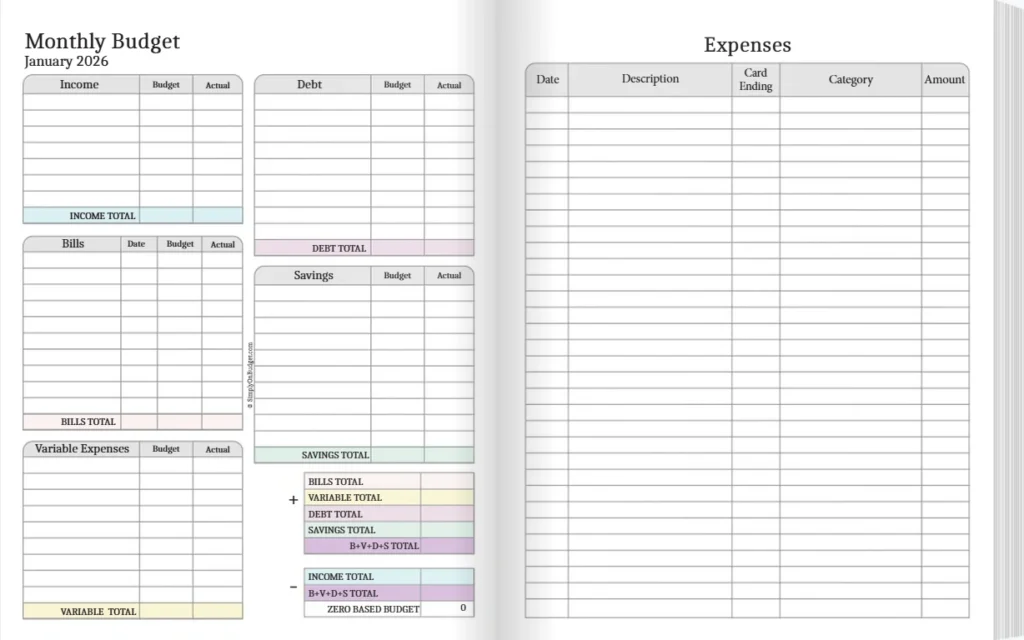
Come up with a plan for your spending
Pick a system that works for many people, and try it out. If it doesn’t work for you, take notes and adjust it next month. There’s the 50/30/20 budget, the Budget by Paycheck, and more out there.
Choose the budget categories that matter most
Start with the fixed basics. Housing, food, transportation, debt payments, and savings should come first because they affect your economic health.
A mobile banking app can help with automated categorization to simplify tracking these essentials.
After that, set limits on flexible areas such as dining out, clothing, entertainment, and personal spending. You don’t need twenty categories. A small number is easier to manage and easier to keep.
If one category keeps causing trouble, give it extra attention. For many people, that category is food outside the home.
Give every dollar a job before the month starts
This idea is simple. When income comes in, assign it to bills, savings, debt payments to pay off debt, groceries, and personal spending before it disappears. This keeps you on track to achieve your financial goals.
That doesn’t mean spending every dollar down to zero in your account. It means every dollar has a purpose, even if that purpose is staying in savings.
Make overspending harder and saving easier
Self-control helps, but systems help more. If spending is always one tap away, temptation wins more often. Small changes in your setup can lower the number of bad money decisions you need to fight.
Unsubscribe from store emails
Unsubscribe from store emails. Mute sales texts. Unfollow accounts that make you want things you weren’t looking for. Less exposure means fewer urges to battle.
Use a waiting rule before nonessential purchases
Create a pause before buying things you don’t need. For small extras, apply the 24-hour rule. For larger purchases, use a cooling-off delay of 48 hours or longer.
That break gives your emotions time to settle. Often, the urge fades on its own. If you still want the item later and it fits your budget, buy it without guilt.
Leave credit cards at home when possible
If you tend to overspend in stores, make access harder with cash or debit options. Carry cash or debit for regular outings. Leave the credit card behind.
This adds a useful limit, since cash or debit cards create physical friction for spending. You can still buy what you planned to buy, but random add-ons feel less easy with a credit card out of reach.
Stay on track when old habits pull you back
Stopping overspending isn’t a one-time fix. Old routines often come back when life gets busy, stressful, or expensive. That’s normal. Progress comes from catching the slide early and resetting fast. These steps reduce financial stress while building financial strength toward your financial goals.
Use a weekly money check-in to catch problems early
Set aside ten minutes once a week. Use your mobile banking app to track spending; review your account balances, upcoming bills, recent spending, and how much remains in your flexible categories.
This short routine reduces financial stress, builds monetary security, and keeps you aligned with your budgeting goals by keeping money from becoming a mystery. Small problems stay small when you look at them often.
Pick the same day each week, so it becomes routine.
Plan for treats without blowing your budget
A spending plan needs room for discretionary spending. If every dollar goes to bills and self-denial, you will want to break the rules.
Give yourself a set amount for fun each week or month. That money can cover coffee, takeout, a movie, or something small you’ve wanted. Because it’s planned, it won’t wreck your budget or slow your ability to pay off debt.
Pleasure is easier to manage when it has a place.
What to do after a bad spending day
One rough day doesn’t erase your progress. The biggest mistake is turning one slip into a week of careless spending.
Reset the next day. Look at what triggered the spending. Was it stress, boredom, social pressure, or poor planning? Then make one adjustment, such as trying a no-buy challenge. Maybe you delete a shopping app, lower your weekly limit, or bring lunch tomorrow. Consistent habits like this also help raise your credit score over time.
Shame keeps bad habits in place. An honest review helps you move forward.
Replace spending with fun, cheap things to do
Don’t think about white elephants. What are you thinking about? I bet you’re thinking about white elephants.
If you focus your activities around free or cheap things to do, you’ll have less time to spend on, well, spending money. Going for a walk in the park, picking up a hobby like knitting or gardening, spending time with family, going to the library, or just enjoying a book with a nice cup of tea can all go a long way to increase your quality of life without focusing on spending or not spending money.
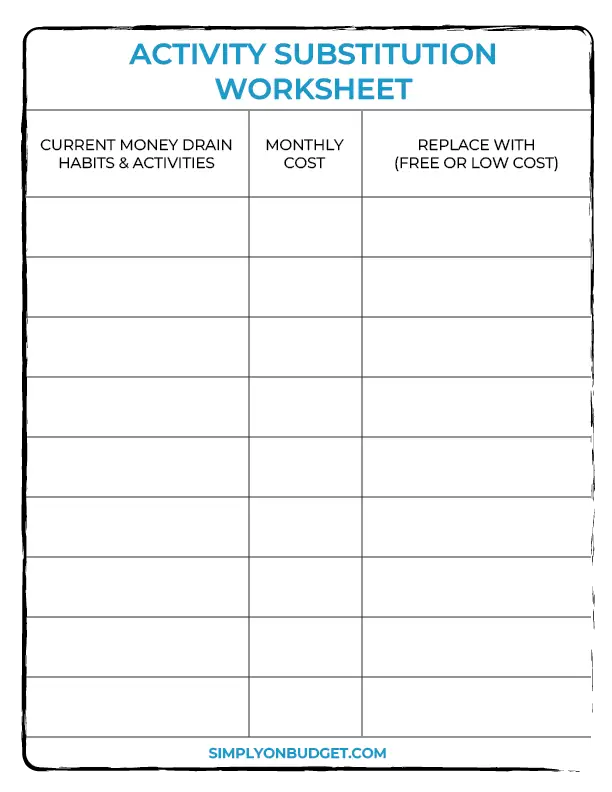
Feel grateful for the things you have
It’s important to be grateful for what we have. Remember, people have unlimited wants, while resources are limited. By being grateful for what you have, you ultimately create an atmosphere of abundance rather than a desire for more things.
Frequently Asked Questions
How do I start tracking my spending?
Review your bank and card statements from the last 30 days to spot patterns in categories such as food delivery and subscriptions. Sort expenses into needs vs wants, waste, and keep a simple spending log, noting what you bought and how you felt. If you do things with cash, write it down.
What’s a way to budget without feeling restricted?
Use the 50/30/20 rule: 50% for needs, 30% for wants, 20% for savings or debt.
How can I resist impulse purchases?
Unfollow brands, apply a 24-hour rule, remove saved card details, leave credit cards at home, and if that doesn’t work for you, put your credit card in a Tupperware full of water and stick it in the freezer.
What should I do if I have a slip-up?
Review the trigger, like stress or poor planning, then reset with one adjustment, such as a no-buy challenge or lower limit. Don’t let a slip-up turn into a month-long spending spree.
{RELATED POST: ✓25 Low Cost Hobbies You Must Try}
{RELATED POST: ✓How to Become Debt Free Fast}
{RELATED POST: ✓Screen-free Activities for Kids}
{RELATED POST: ✓Frugal Living Tips From the Great Depression}